


La Paz implements a pioneering virtual reality therapeutic project for pediatric transplants
Virtual Transplant Reality is the virtual and augmented reality platform, which has been implemented in the La Paz hospital to improve the quality of life and psycho-emotional well-being of pediatric patients with liver transplants.
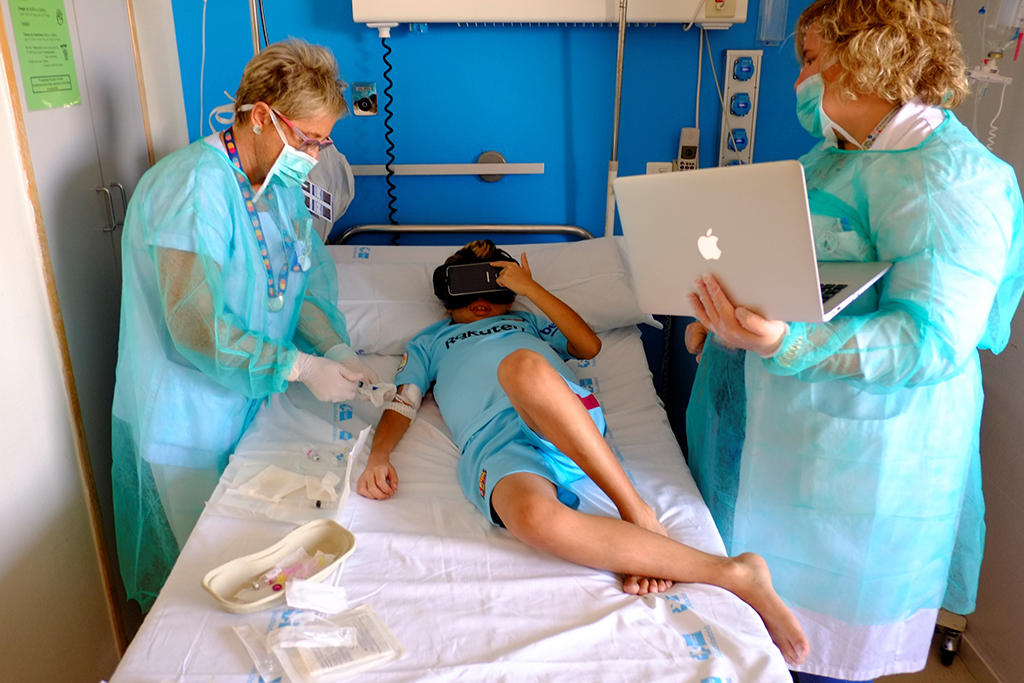
Spain remains, for the twenty-sixth consecutive year ,the world's leading country in transplants. He 80% of pediatric liver transplants carried out in are performed between the first year of life and seven years of age.
The life of a baby boy changes completely after transplant, Therefore, to accompany them throughout the entire process, Virtual Transplant Reality was born. (VTR), a pioneering project worldwide developed by Spanish professionals to improve the quality of life and psycho-emotional well-being of pediatric patients with liver transplants and that of their families.
The initiative, promoted by Erika Guijarro, psychologist with extensive experience with this type of patients and specialist in virtual reality treatments, will be developed in collaboration with a consortium of entities and institutions such as the Research Institute of La Paz University Hospital, IdiPAZ, the HePA Association (Spanish Association to Help Children with Liver Diseases and Liver Transplants), and the University Center for Technology and Digital Art has participated as technological managers of the project., U-tad, and the company specialized in content development and interactive platforms Jump Into Reality.
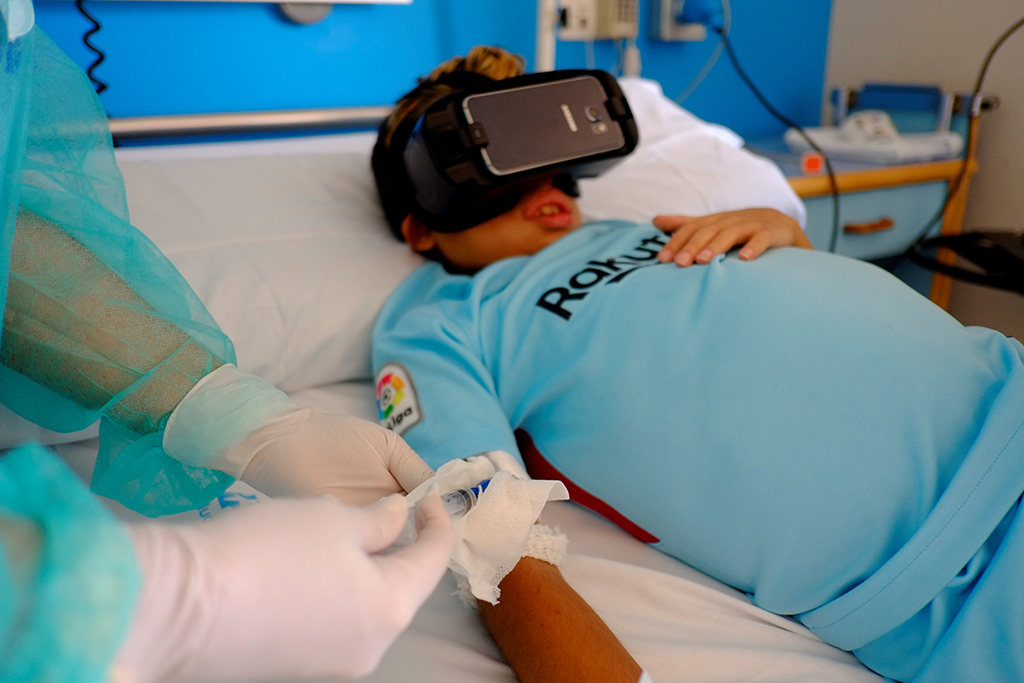
It will be in the Pediatric Transplant Unit of the La Paz University Hospital where the practical implementation of this tool will be carried out in a pioneering manner., As this hospital center performs the most pediatric transplants in all of Spain and where the HePA Association already collaborates.
The project consists of the creation of a technological platform that will incorporate and manage all experiences in virtual reality and augmented reality.
Gamified techniques will be used in each experience, narrative and interactive, as well as immersive worlds will be created, adapted to each problem. These technologies facilitate the training and adaptation of users to isolated and controlled environments.. Besides, They are easy to use and can be run on different types of devices, according to the needs of each patient.
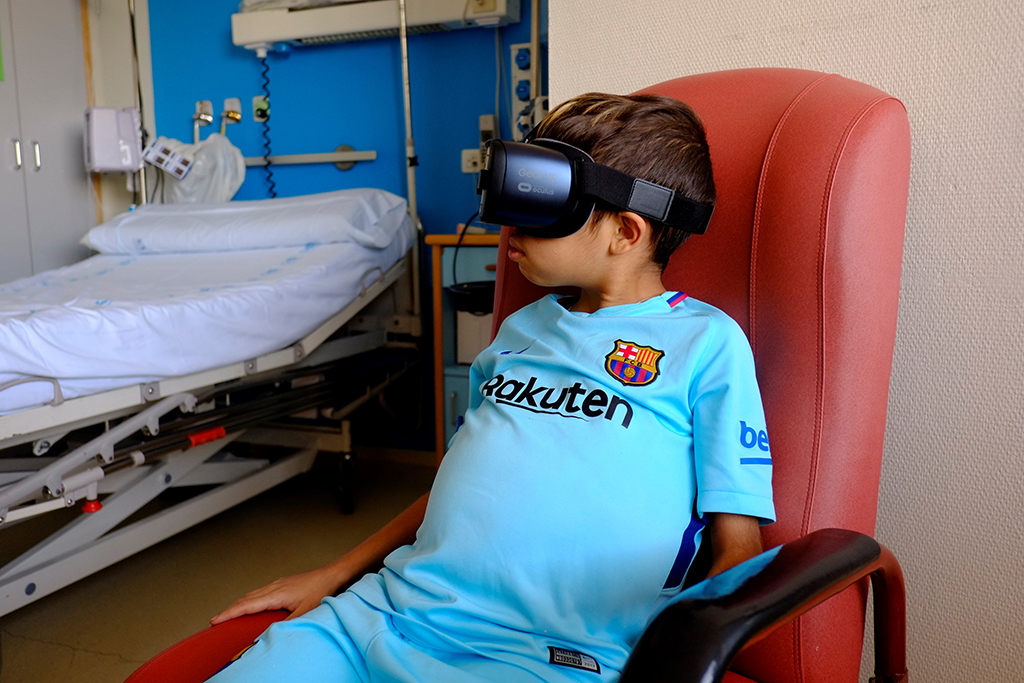
Through the use of virtual and augmented reality, VTR aims to alleviate the consequences, as well as improve quality of life and psycho-emotional well-being, both the patient and those around him. For this, virtual scenarios and experiences will be developed, (that will follow an evolutionary process during the transplant phases) from a triple perspective: prevention, distraction and awareness.
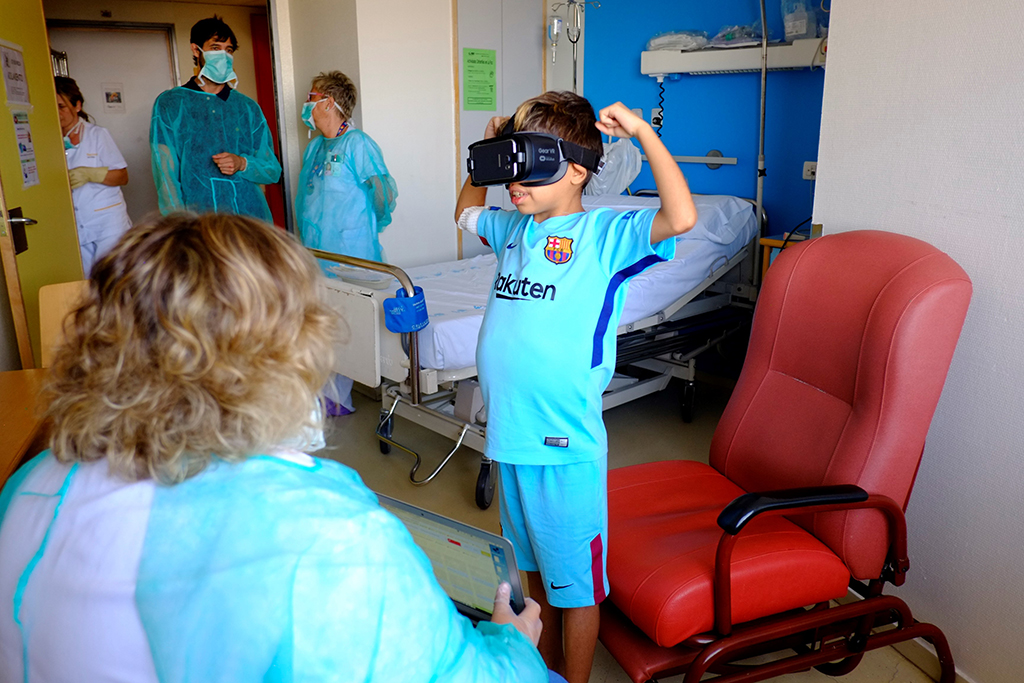
From the point of view of prevention (anticipating different scenarios), The objective is to train children in stressful or potentially traumatic situations such as stays in the ICU or complicated diagnostic tests., which usually cause a lot of anguish and anxiety in these types of patients.
In the distraction phase (Pain distraction or pain management therapies) The aim is to change the focus of attention of the pediatric patient so that it focuses on the stimuli that this tool will provide and not on the medical tests..
Finally, awareness focuses on self-care and adherence to treatment, promoting adherence to treatment of both patients and their environment (friends, family members, etc.) making them participate in the transplanted child's routines (medical tests, income, surgeries, stays in Intensive Care Units, medication, care routines and precautions, medical prohibitions, etc.).
Through these interactive experiences, it is intended that the circle of friends and family of the liver transplant patient is aware of their care and encourages them to maintain their self-care and adherence to treatment., since your medication is your only life insurance.
Transplantchild: ERN in pediatric transplant
La Paz University Hospital coordinates TransplantChild, the European Reference Network (ERN) of Child Transplants, heading the only European Reference Network coordinated by Spain.
The TransplantChild Network is one of the 24 European Reference Networks (ERN) approved by the European Commission in compliance with the EU directive on patients' rights in cross-border care.
This hospital has one of the most highly specialized multidisciplinary transplant teams in Europe and is the only one in Spain accredited to perform all types of childhood transplants. (transplant program). Since January 1985 and until December 2016 have made a total of 1.799 solid organ transplants and hematopoietic progenitors, with survival and quality indicators comparable to the best hospitals in the world.
Did you like this article?
Subscribe to our NEWSLETTER and you won't miss anything.